









Your smile is one of your most valuable assets. Keeping it clean and bright is essential to your oral health and your self-confidence. Here are a few tips for getting and keeping a clean, bright smile.

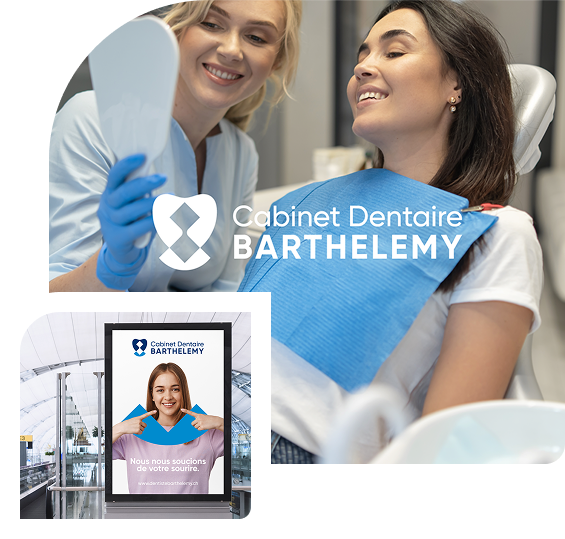


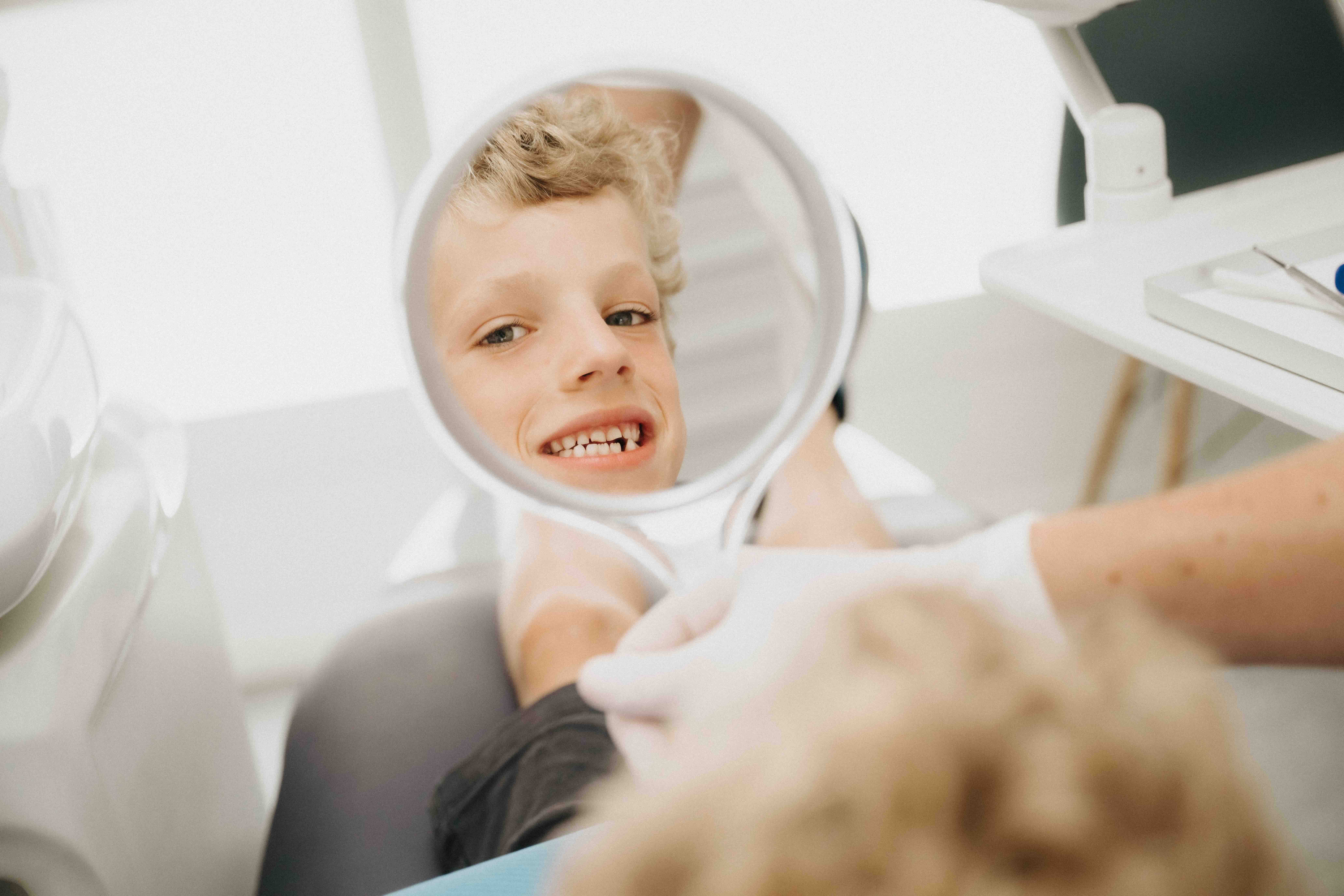
According to the recommendations of health authorities and dental associations, the standard frequency is two visits a year: a check-up and professional cleaning every six months. This helps detect tooth decay and gum disease early and keeps an eye on existing restorations.
However, the right frequency can vary depending on your individual situation:
For children:
· First visit around the age of 1, or within 6 months of the first tooth coming through
· Annual check-ups from age 3 if the risk remains low
For low-risk adults:
· One visit a year may be enough if you have no particular risk factors
For high-risk patients, a visit every 6 months is still recommended, particularly in the case of:
· A history of frequent tooth decay
· Gum disease
· Ongoing orthodontic treatment
· Smoking
· Diabetes or other medical conditions affecting oral health
The best approach is to talk to your dentist, who can set up a personalised follow-up plan based on your oral health, history and lifestyle. Good hygiene at home combined with regular visits is the best way to protect your oral health.
Preventing tooth decay comes down to a combination of thorough daily hygiene, a suitable diet and regular check-ups. Here are the essentials:
1. Daily oral hygiene
· Effective brushing: brush your teeth at least twice a day (morning and evening) for two minutes. Use a soft-bristled toothbrush and a fluoride toothpaste (usually between 1,000 and 1,500 ppm), as fluoride strengthens enamel and makes it more resistant to acids.
· Cleaning between teeth: brushing alone does not clean the spaces between your teeth. Use dental floss or interdental brushes every day to remove plaque from these areas, where decay often starts.
· Rinsing: you can use a fluoride mouthwash, but avoid rinsing your mouth with water straight after brushing, so the fluoride stays on your teeth for longer.
2. Diet and eating habits
· Cut down how often you have sugar: it is not just the amount of sugar that matters, but how often you have it. Every time you eat sugars or fermentable carbohydrates, bacteria produce acids that attack enamel for about 20 to 30 minutes. Avoid snacking between meals.
· Choose protective foods: favour foods rich in calcium and phosphorus (dairy products, nuts, green vegetables) and limit sugary and acidic drinks (fizzy drinks, fruit juice).
· Drink water: water helps rinse your mouth and neutralise acids. It is especially recommended after meals if you cannot brush your teeth straight away.
3. Specific protection
· Fluoride: in addition to toothpaste, your dentist can apply fluoride varnish or prescribe high-concentration fluoride gels if you are at high risk.
· Fissure sealants: for children and teenagers, dentists often apply sealants (resins) to the chewing surfaces of the permanent molars. This fills the deep grooves where food and bacteria tend to collect.
4. Regular dental visits: as mentioned above, check-ups (usually every 6 months) make it possible to detect early decay before it becomes painful, and to remove tartar, which encourages plaque to build up.
Because everyone has a different risk profile (saliva, genetics, current hygiene), it is worth asking your dentist for personalised advice on the preventive measures best suited to you.
Gum disease, known as periodontal disease, is an infection of the tissues that support your teeth (gums, jawbone and periodontal ligament). It usually develops in two main stages:
Types of periodontal disease
Gingivitis (early stage):
· Inflammation limited to the gums· Reversible with appropriate treatment
· Does not yet affect the supporting bone
Periodontitis (advanced stage):
· Infection that spreads to the bone and supporting tissues· Can lead to receding gums, deep pockets, loose teeth and eventually tooth loss
· Bone damage is irreversible
Symptoms to watch for. Common signs include:
· Bleeding when brushing or flossing
· Red, swollen or tender gums
· Persistent bad breath (halitosis)
· Receding gums (teeth look longer)
· Pockets forming between the teeth and gums
· Loose teeth (in advanced stages)
· Changes in how your teeth line up or how you bite
Main causes
· Dental plaque: a bacterial film that builds up on the teeth
· Tartar: hardened plaque that only a professional can remove
· Risk factors: smoking, diabetes, genetics, stress, medicines that reduce saliva, hormonal changes
Effective prevention
Thorough oral hygiene:
· Brushing: at least twice a day for two minutes with a soft-bristled toothbrush and fluoride toothpaste
· Daily cleaning between teeth: floss or interdental brushes to remove plaque between the teeth
· Replacing your toothbrush regularly (every 3 months or when the bristles are frayed)
Regular professional visits:
· Check-ups and scale and polish every 6 months (or as your dentist recommends)
· Early detection of the signs of gum disease. A protective lifestyle:
· Stopping smoking: smoking is a major risk factor
· A balanced diet rich in vitamins C and D, calcium and phosphorus
· Keeping general health conditions under control, especially diabetes, which increases the risk of gum disease
· Managing stress, which can weaken the immune system and make inflammation worse
There are several ways to whiten teeth, and they vary widely in how effective and safe they are. Here is an overview of the options:
Professional methods (recommended)
In-surgery whitening:
· Maximum effectiveness: teeth can become 3 to 8 shades lighter in 1 to 2 sessions
· High concentration: uses 35% peroxide (hydrogen or carbamide)
· Dental supervision: gums are protected and exposure time is controlled
· Fast results: immediate after the session, but less long-lasting
· Cost: higher
Supervised home whitening:
· Custom-made trays produced by your dentist
· Professional products at suitable concentrations
· Regular follow-up to adjust the treatment
· Effectiveness: very good, with less risk of irritation
Over-the-counter methods (less effective)
Home whitening kits:
· Limited effectiveness: usually 1 to 2 shades at most
· Low concentrations: about 10% to 22% peroxide
· Generic trays: a poorer fit, with a risk of leakage
· Duration: several weeks of gradual application
· Risks: gum irritation, increased tooth sensitivity
Other products:
· Whitening strips: modest results, tricky to apply
· Whitening toothpastes: mainly affect surface stains
· Whitening pens: localised application, limited results
"Natural" methods (to avoid)
Some DIY remedies are widely shared but carry risks:
· Bicarbonate of soda: abrasive, can damage enamel
· Activated charcoal: little real whitening effect, risk of abrasion
· Lemon juice or vinegar: acidic, weakens enamel over time
· Pure peroxide: dangerous without professional supervision
What to do straight away
If you have severe pain, swelling or an injury:
· Don't wait: dental emergencies (abscesses, broken teeth, knocked-out teeth) need prompt care to avoid infection or losing the tooth permanently.
· Contact your own dentist: outside working hours, regular practices are closed and only the on-call service can help.
· Managing pain in the meantime:
- Take a common painkiller (such as paracetamol) if you have no contraindication. Do not put aspirin directly on the gum (it can burn the tissue).
- Apply a cold compress to your cheek (15 minutes on, 15 minutes off) to reduce swelling.
- Rinse your mouth with warm salt water to clean the area.
· Special case: a knocked-out tooth (avulsion)
- Never touch the root of the tooth.
- If it is dirty, rinse it gently with water (do not scrub it).
- Put it straight back in its socket if possible, or keep it in cold milk, saline solution or your mouth (under your tongue, taking care not to swallow it).
- Speed matters: the chance of successfully re-implanting the tooth depends on how much time has passed (ideally less than 30 minutes).
On-call doctors' telephone line (CTMG): 👉 0848 133 133
This number is for non-life-threatening emergencies, for both children and adults. The call centre will direct you to the appropriate on-call dentist based on your situation and where you live.
When to call this number
· Severe toothache
· Swollen gums or cheek
· Broken or cracked teeth
· Dental abscess
· Post-operative problems (after an extraction, for example)
When to call 144 (ambulance)
Call 144 only in a life-threatening emergency:
· Difficulty breathing linked to a dental infection
· Major swelling threatening the airway
· Feeling generally unwell together with toothache
· Bleeding that cannot be stopped